The Best Trap to Bet On
Why there is no single best trap — and how to read trap bias properly, matching the draw to a dog's running style, the track shape and the race distance.
“What’s the best trap?” is the most common question new greyhound punters ask — and the honest answer is that the question is slightly wrong. There is no universally best trap. There is only the best trap for this dog, on this track, over this distance. Once you see it that way, the draw becomes one of the most useful tools you have.
Why trap bias exists
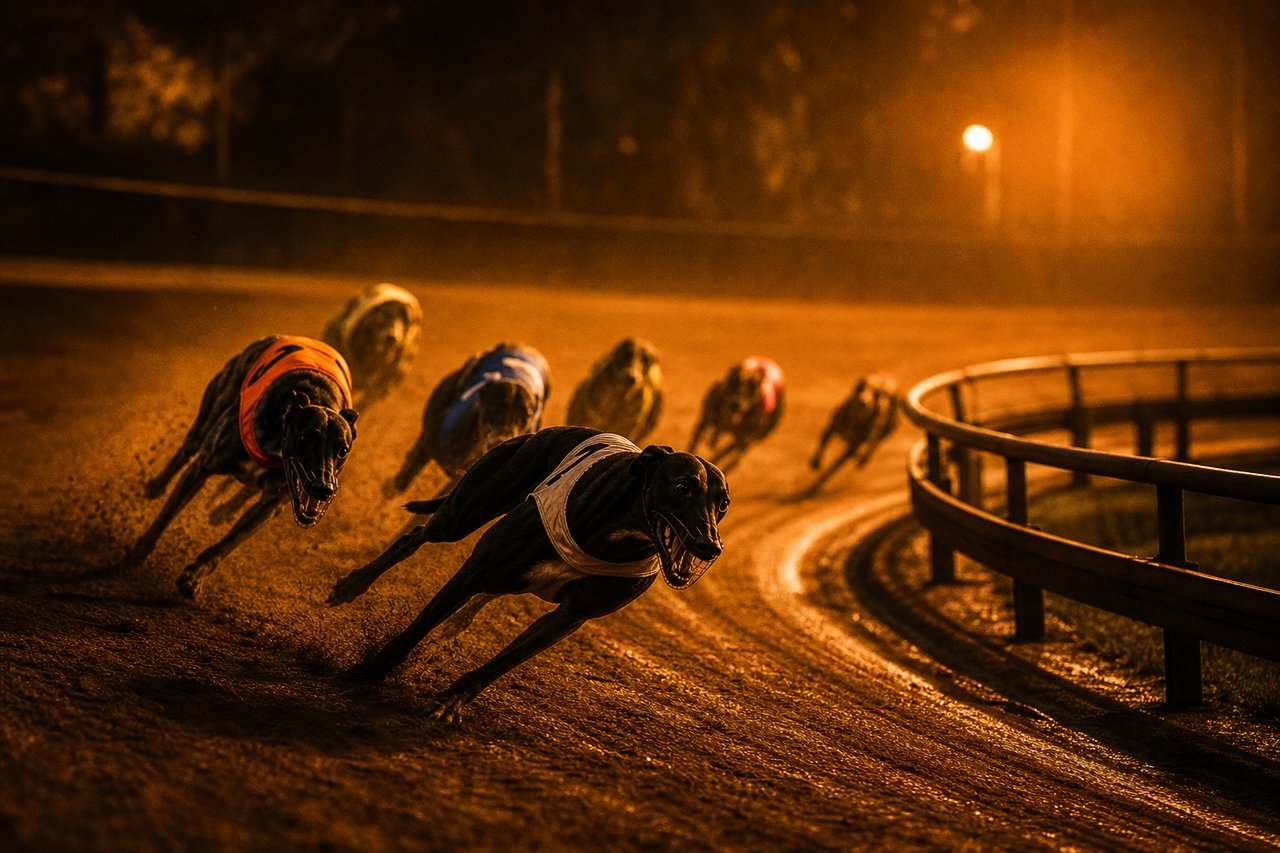
A greyhound race is decided largely by the scramble to the first bend. The trap a dog starts from sets where it sits in that scramble. An inside trap puts a dog on the rail — the shortest route — but in the thick of the traffic. A wide trap gives a dog room and a clear sight of the bend, but a longer path to the front.
Because of this geometry, certain draws genuinely do better than others — but only in combination with how a dog runs.
Match the trap to the running style
The single most reliable read in greyhound betting is the fit between a dog’s running style and its draw:
- A railer that breaks quickly is ideal in trap 1 or 2. It takes the rail, leads to the bend and stays out of trouble.
- A wide runner wants trap 5 or 6, where it can sweep the outside without being squeezed.
- A middle-runner is flexible but can get crowded; it often needs a clean break to avoid bother at the bend.
Put a railer in a wide trap, or a wide runner on the rail, and you are betting against the dog’s own instincts. The draw that suits the dog is worth far more than any trap number in the abstract.
Match style to draw
- Railer + trap 1–2 — takes the rail, leads to the bend, stays out of trouble.
- Wide runner + trap 5–6 — sweeps the outside with a clear sight of the bend.
- Middle-runner — flexible, but needs a clean break to avoid being crowded.
- Mismatch — a fast dog in the wrong trap is fighting itself; downgrade it.
There is no lucky trap. There is only the trap that fits the dog in front of you.
On reading trap biasThe track matters
Trap bias is not the same everywhere. Tight, sharply turning tracks reward inside draws, because the bend comes up fast and the rail is precious. Wider, galloping tracks even the field out, giving outside runners time to use their stride. Many regular punters keep a feel for the bias at the tracks they follow most.
Distance changes the picture
Over a short sprint, the break and the first bend are almost everything, so the draw is at its most influential. Over a longer staying trip, dogs have more time to recover from an awkward start, and stamina and consistency count for more than the trap.
How to use the draw in practice
Don’t back a trap number — back a dog whose profile the trap suits. When you study a card:
- Identify each dog’s running style from the form comments.
- Note its draw and whether it helps or hinders that style.
- Favour dogs where style and draw align, especially on tracks and distances where the draw matters most.
This sits at the heart of the wider selection process, and it informs every market you might choose in the how-to-bet guide. Used well, the draw turns “which trap?” from a superstition into a genuine edge — one that always rides alongside sensible staking and the limits every licensed bookmaker lets you set.