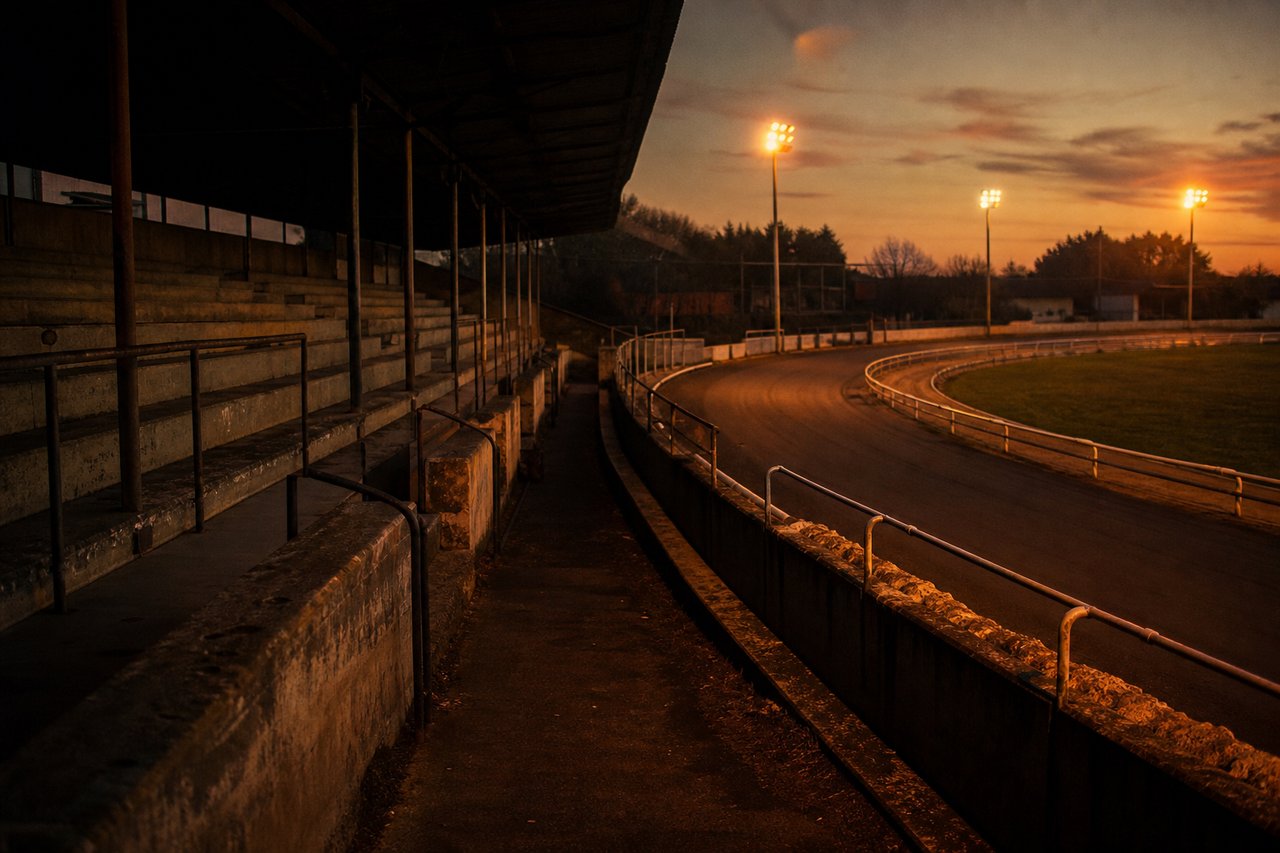
Perry Barr & the Birmingham Greyhound Tradition
The Perry Barr name and Birmingham's long association with greyhound racing — the role of the city track in the sport's golden age, and what greyhound racing in the area looks like today.
Few sports are as woven into the fabric of British cities as greyhound racing, and Birmingham is no exception. The Perry Barr name belongs to that tradition — a reminder of an era when the dogs drew large midweek crowds and the local track was a fixture of the city’s evenings.
A sport built in the cities
Greyhound racing arrived in Britain in the late 1920s and grew with astonishing speed. Within a few years, tracks had opened in towns and cities across the country, and the sport became one of the most popular spectator pastimes of its day. It was affordable, local and sociable — an evening out within reach of ordinary working people, with the added thrill of a small bet on the card.
Birmingham, as one of the country’s great industrial cities, was firmly part of that story. The Perry Barr area in the north of the city became one of the places where the sport found a home, and the name endures as shorthand for that chapter of local sporting life.
The golden age
Through the middle of the twentieth century, greyhound racing in Britain was a mass entertainment. Big-city tracks ran regular meetings to packed terraces, and the rhythms of the sport — the parade, the loading of the traps, the hare, the roar as the field reached the first bend — were familiar to millions. Graded racing gave every dog its level, so a card offered competitive contests from top to bottom, and the major competitions carried real prestige.
That era left a lasting cultural imprint: the trap colours, the language of the form, and the shape of the betting markets we still use today were all settled in those decades.
The appeal was partly the spectacle and partly the social ritual. An evening at the dogs meant a programme bought at the gate, a few selections marked in pencil, and the shared anticipation of the parade and the off. For many families it was an affordable, regular night out, woven into the working week rather than reserved for special occasions — and that everyday familiarity is exactly why so many British towns and cities, Birmingham among them, came to associate a particular local track with the sport.
Greyhound racing today
The sport is smaller now than at its peak, but it remains an established part of the British calendar. Licensed tracks hold regular meetings, racing is streamed to betting accounts, and the welfare of racing greyhounds has become a central concern, with retired dogs increasingly rehomed through dedicated schemes.
For anyone interested in the dogs today, the essentials are unchanged from the golden age: read the form, understand the traps and the draw, and bet within sensible limits. The Perry Barr name is a nod to where that tradition comes from — and a fitting place to learn it.
Learn the modern sport
If the heritage has drawn you in, the practical guides pick up where the history leaves off: start with how to bet on greyhounds, study reading the form, and when you want to place a bet, see the comparison of UK betting sites. Whatever the era, the rule is the same — keep it fun, set your limits, and find support at BeGambleAware.org if you need it.